Water hardness and cleaning
Water is both a formulation input and a use condition and can significantly affect outcomes.
Read article
Thicker is not always better; flow, stability and dispensing matter.
← Back to insights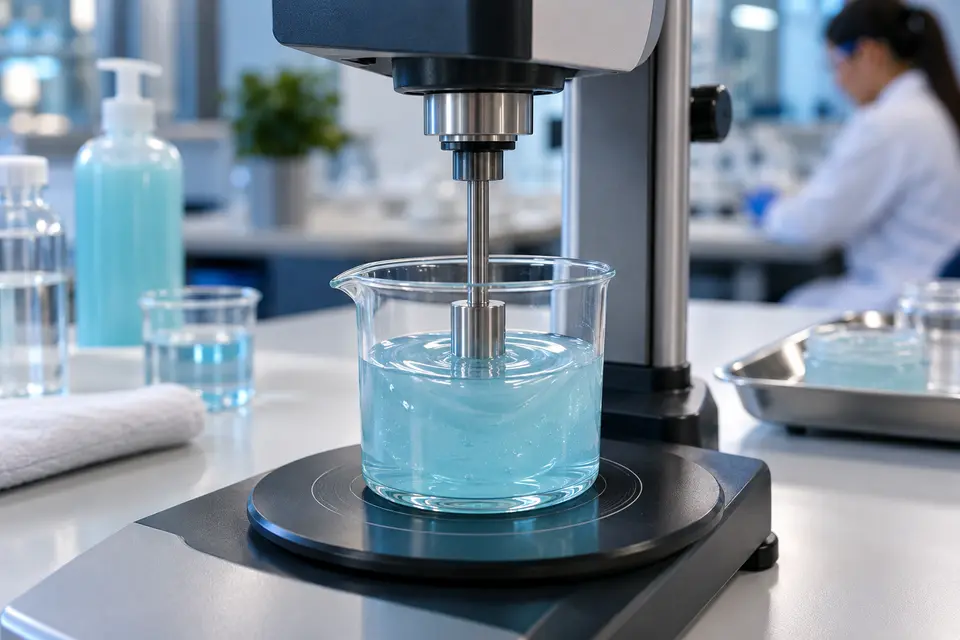
Thicker is not always better; flow, stability and dispensing matter.
Viscosity describes resistance to flow, but many cleaners are non-Newtonian: their apparent viscosity depends on shear rate. Different spindle speeds, instruments and temperatures may produce different readings. Specifications should state method and sample equilibration time so results can be compared across batches, rather than calling a product merely “thick” or “thin.”
A liquid may look fine in a beaker and still dispense poorly through a cap or pump. Salts, perfume, surfactants and storage can alter its rheology. Evaluate the actual pack at relevant temperatures and establish workable limits. If results shift, review calibration, raw materials and batch records before making unplanned formula adjustments.
If a liquid cleaner becomes difficult to dispense, first measure viscosity using a standardized method at relevant temperatures. Compare the complaint sample with a retained reference and test identical caps or pumps. Review storage history, pH, raw-material specifications and mixing records. This distinguishes formulation drift from a dispensing-design problem, avoiding premature thickener changes.
Specify measurement temperature and method.
Test in the intended bottle and pump.
Track viscosity over shelf-life studies.
References for general scientific principles; they do not imply MS CHEM has performed tests or holds certifications.
 MS CHEM / 20
Water is both a formulation input and a use condition and can significantly affect outcomes.
Read article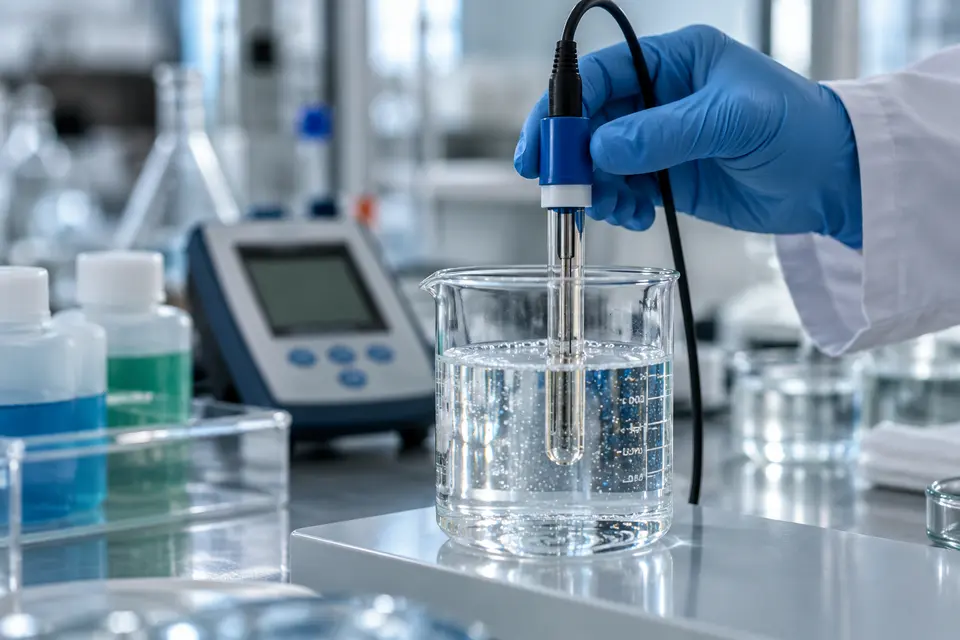 MS CHEM / 22
pH matters to performance, stability and compatibility, but does not define quality alone.
Read article MS CHEM / 23
Foam can be desirable in one application and disruptive in another.
Read article