Water hardness and cleaning
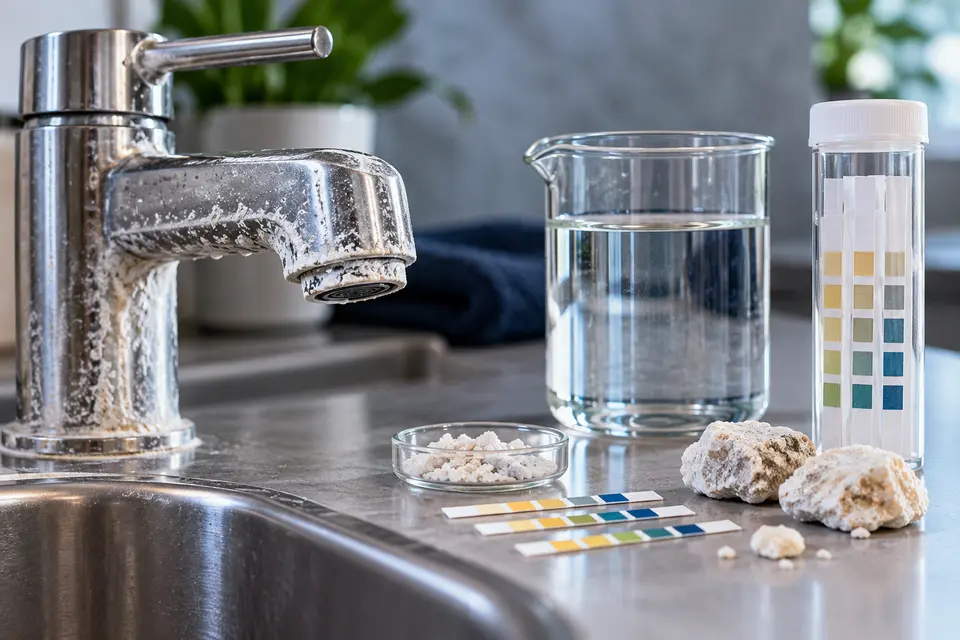
Water is both a formulation input and a use condition and can significantly affect outcomes.
Read article
Foam can be desirable in one application and disruptive in another.
← Back to insights
Foam can be desirable in one application and disruptive in another.
Foam contains gas bubbles separated by liquid films, whose stability depends on surfactants, salts, temperature, agitation and soil. Visible foam may be valued in hand dishwashing but disruptive in automated equipment. Bubbles can also diminish in greasy water without proving all soil-removal ability has disappeared.
Standardize bubble generation, dose, water, temperature and observation time to compare samples. Foam height and persistence are measurable characteristics, not automatic percentages of cleaning. Run separate grease- or stain-removal and rinsing tests for the application. Choosing a formula from how bubbles look in one container can misrepresent finished-product performance.
Compare a dishwashing liquid under a controlled foam method, then in a grease-loaded dishwashing task. Record foam before and after soil contact along with water temperature and hardness. For machine cleaning, examine operational disruption rather than appearance alone. One formulation may sustain more bubbles while matching another in grease removal; keep foam, cleaning and rinsing metrics separate before making a balanced choice.
Tie assessment to cleaning and rinsing method.
Balance foam with soil removal speed.
Use repeatable tests beyond visual impressions.
References for general scientific principles; they do not imply MS CHEM has performed tests or holds certifications.
 MS CHEM / 20
Water is both a formulation input and a use condition and can significantly affect outcomes.
Read article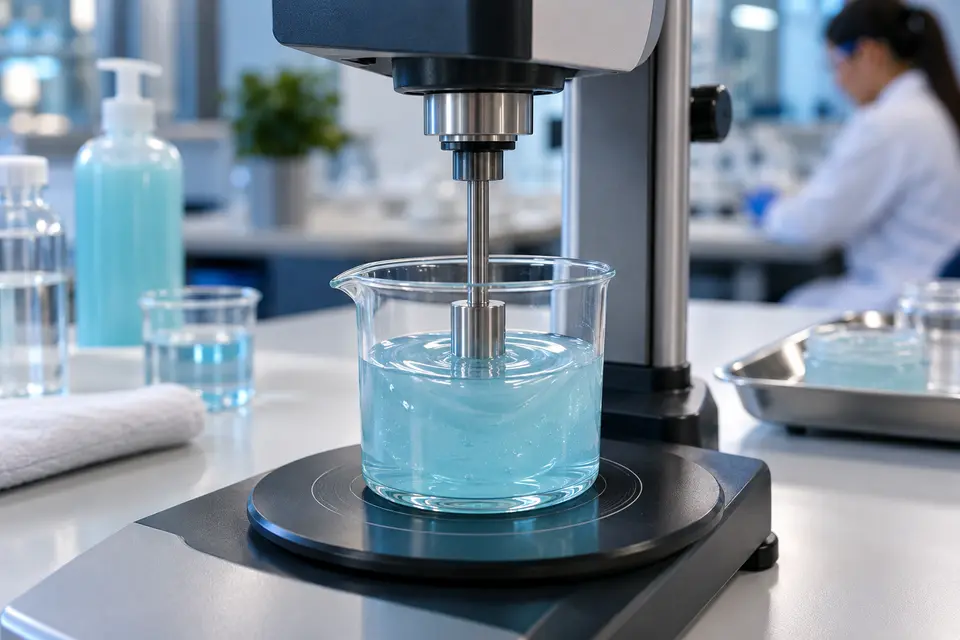 MS CHEM / 21
Thicker is not always better; flow, stability and dispensing matter.
Read article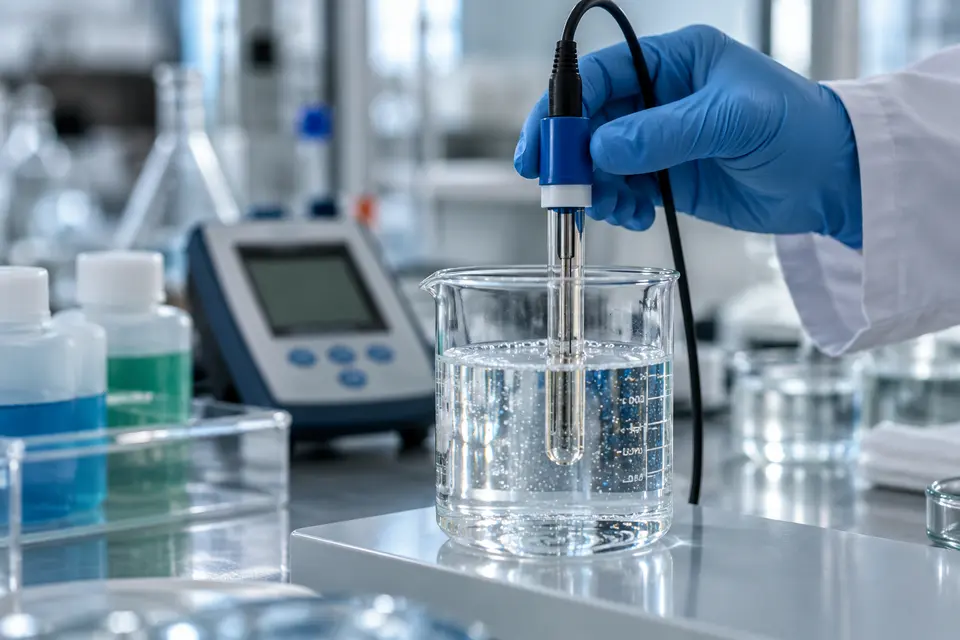 MS CHEM / 22
pH matters to performance, stability and compatibility, but does not define quality alone.
Read article