How to evaluate detergent performance
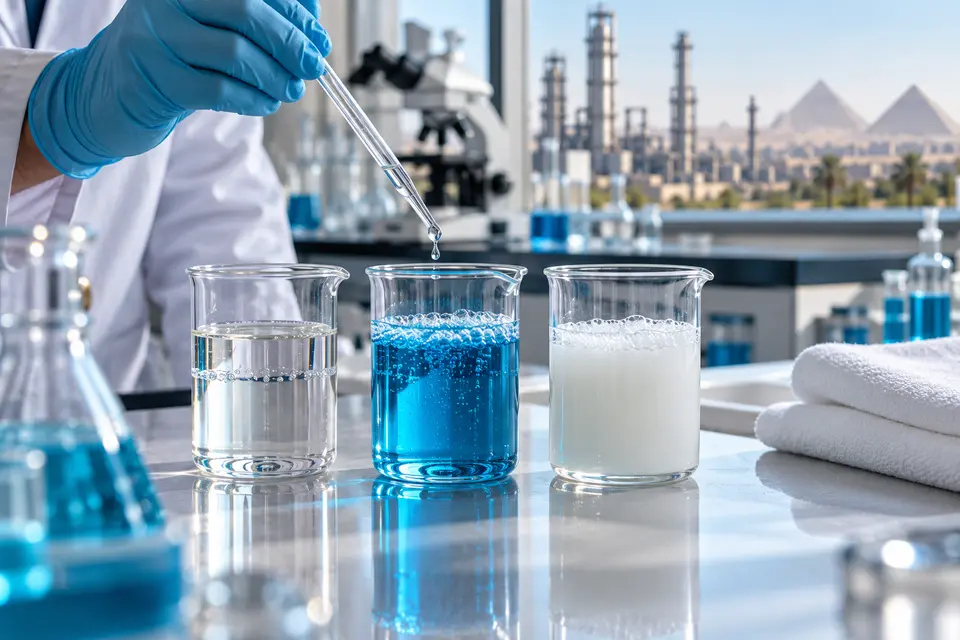
Foam appearance alone does not measure cleaning power; testing should match real use.
Read article
Liquid laundry development balances stain removal, stability and rinsing.
← Back to insights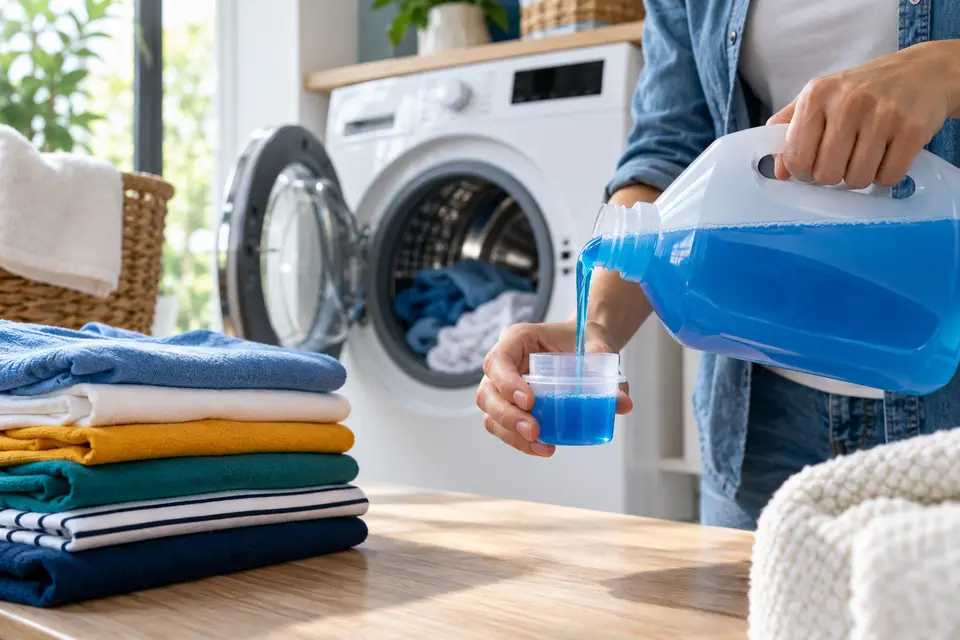
Liquid laundry development balances stain removal, stability and rinsing.
Greasy stains, particulate soil and food residues behave differently, as do textiles and dyes. Design liquid laundry detergent for its intended wash cycle, dose and user, then test representative stains and fabrics against a benchmark. Assess removal without overlooking textile appearance or remaining detergent after rinsing.
Perfume, salts, temperature and storage can change viscosity or cause separation. Calcium and magnesium may affect some detergent systems. Compare performance across water hardness levels and test actual packaging for accurate dosing, recognizing that automatic washing and handwashing can require different foam behavior.
Prepare sets of textiles bearing an oily stain and a particulate soil, then run an identical wash cycle at fixed detergent doses with a benchmark. Record stain removal, fabric appearance and rinsing. Recheck viscosity after storage and dosing from the actual bottle because wash performance is tied to practical dispensing over time. Repeat at relevant water-hardness levels to establish the intended operating range.
Test varied stain and fabric types.
Track viscosity after storage.
Balance scent with use and sensitivity requirements.
References for general scientific principles; they do not imply MS CHEM has performed tests or holds certifications.
 MS CHEM / 01
Foam appearance alone does not measure cleaning power; testing should match real use.
Read article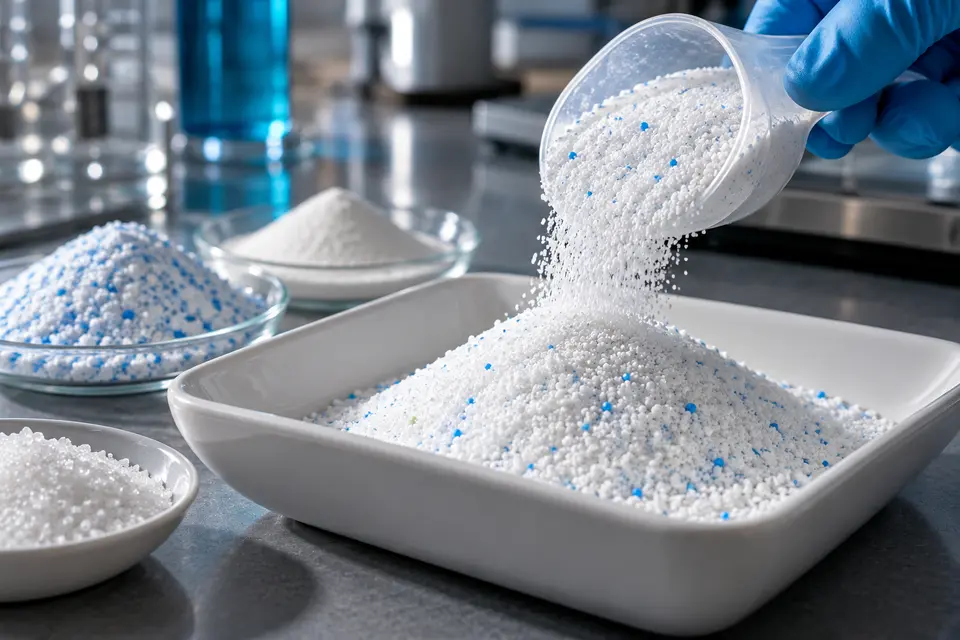 MS CHEM / 02
Powder performance depends on particle distribution, dissolution, moisture and the surfactant system.
Read article MS CHEM / 03
Fragrance is part of product experience but must work with the cleaning base and pack.
Read article