How to evaluate detergent performance
Foam appearance alone does not measure cleaning power; testing should match real use.
Read article
Fragrance is part of product experience but must work with the cleaning base and pack.
← Back to insights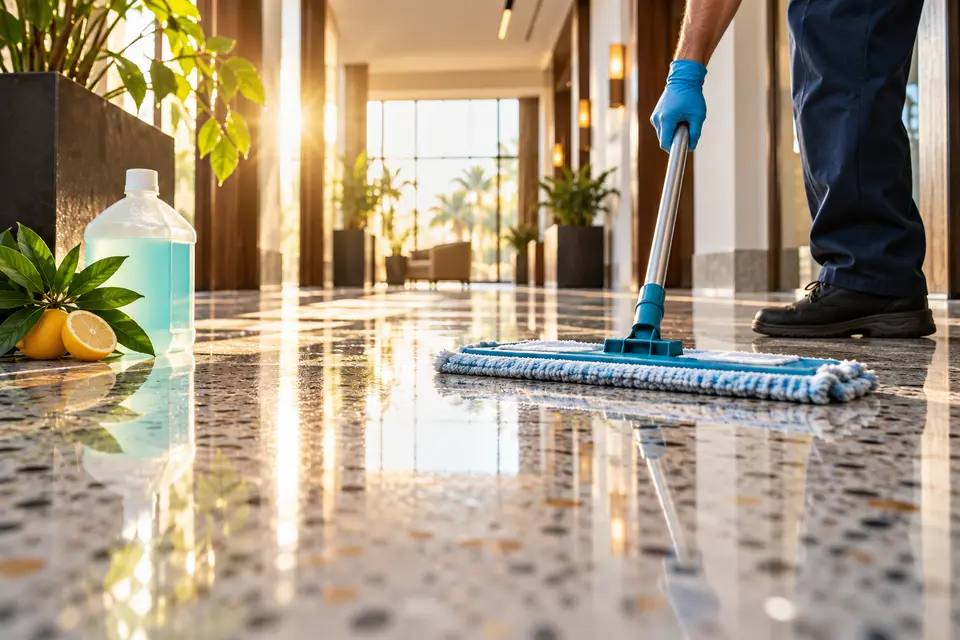
Fragrance is part of product experience but must work with the cleaning base and pack.
Scent matters to the floor-cleaning experience, but a fragrance is a mixture that can interact with surfactants or salts and change clarity. Bottle scent can differ from odor after dilution, mopping and drying, so each stage merits evaluation. A stronger smell is not evidence of soil removal or disinfection and must not support an antimicrobial claim.
Glazed tile, treated wood and natural stone have distinct compatibility concerns. Test the specified dose for cleaning, rinsing and the absence of sticky films or streaks after drying. Follow fragrance, color and haze during storage and review category-specific perfume documentation. A scent that works in a beaker but separates in the pack needs further development.
Trial three perfumes in the same floor-cleaner base at the same surfactant level. Observe clarity and color after preparation and storage, then mop representative tile at equal dilution. Evaluate scent during cleaning and after drying, while noting streaks or tacky residue. If a desirable perfume creates haze, investigate compatibility and solubilization rather than automatically increasing fragrance dosage.
Check fragrance and color stability over time.
Consider rinse requirements and floor compatibility.
Avoid unverified disinfectant claims.
References for general scientific principles; they do not imply MS CHEM has performed tests or holds certifications.
 MS CHEM / 01
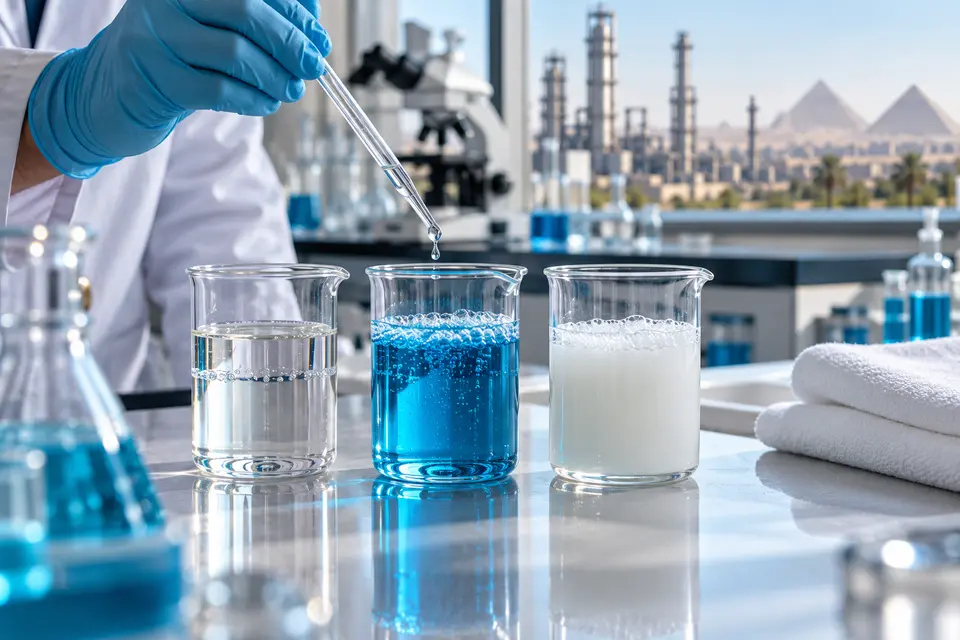
Foam appearance alone does not measure cleaning power; testing should match real use.
Read article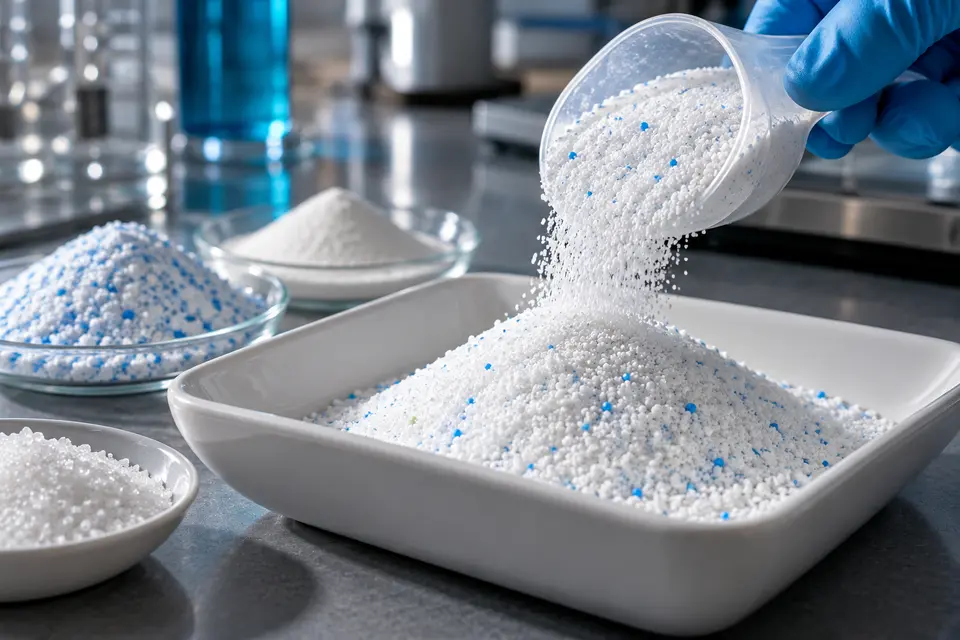 MS CHEM / 02
Powder performance depends on particle distribution, dissolution, moisture and the surfactant system.
Read article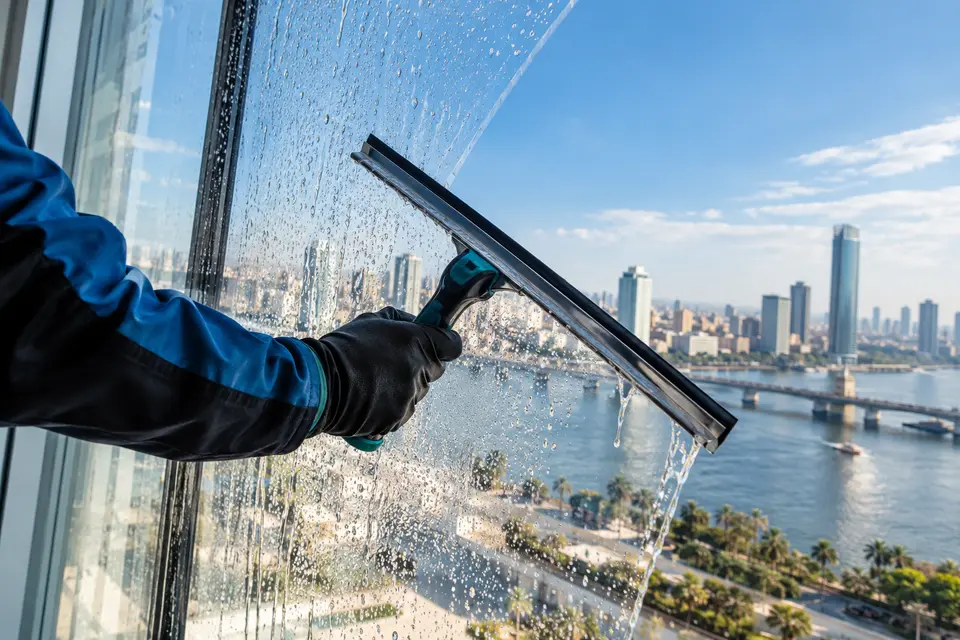 MS CHEM / 04
Aim for quick cleaning and minimal visible residue while considering surrounding materials.
Read article