Batch records and traceability
Good records explain batch variation and make troubleshooting easier.
Read article
Root-cause work means isolating variables and recording evidence before reformulation.
← Back to insights
Root-cause work means isolating variables and recording evidence before reformulation.
“The product changed” is not a diagnosis: was it color, pH, viscosity or clarity, and when? Compare passing and atypical batches using the same measurement method. Review material lots, mixing time, addition order, equipment and storage, checking instruments first.
Rank plausible causes from evidence and run small experiments changing one factor where practical. Record disproved hypotheses too. Once a probable cause is found, introduce corrective action and verify it on later batches. Merely repairing the appearance of one batch may hide a recurring root cause.
When a normally clear liquid becomes hazy, compare passing and atypical batches for material lots, perfume, salt, mixing and storage temperature. First confirm sample and measurement reliability, then run small trials isolating plausible causes. Record hypotheses that fail, avoiding repeated dead-end experiments. Once a likely cause is identified, examine later batches to confirm corrective action before closing the investigation.
Compare passing and failing batches.
Review materials, method and equipment together.
Change one variable per trial where possible.
References for general scientific principles; they do not imply MS CHEM has performed tests or holds certifications.
 MS CHEM / 28
Good records explain batch variation and make troubleshooting easier.
Read article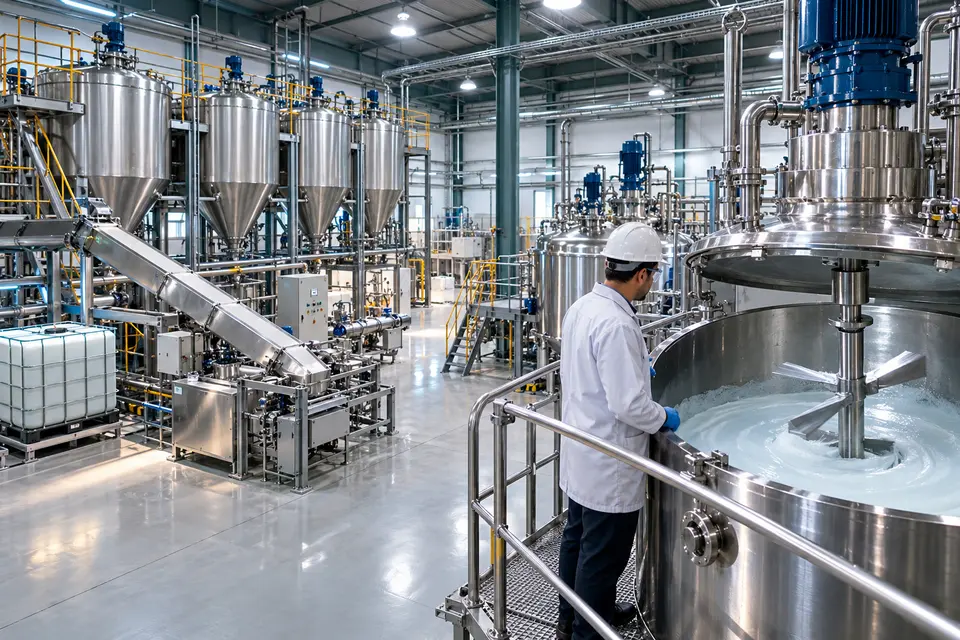 MS CHEM / 29
Equipment choice depends on viscosity, batch scale, hygiene and maintenance.
Read article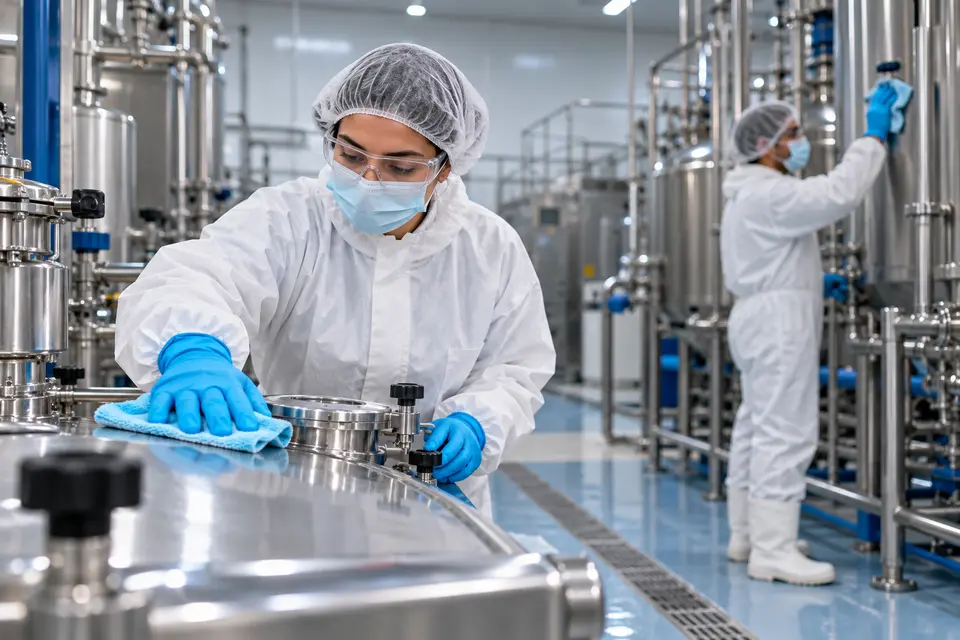 MS CHEM / 33
Structured cleaning between batches reduces contamination and cross-product carryover.
Read article