How surfactants work
Surfactants assist wetting and soil removal, but selection depends on the whole system.
Read article
Betaine is used in selected cleaning systems to tune formula behavior.
← Back to insights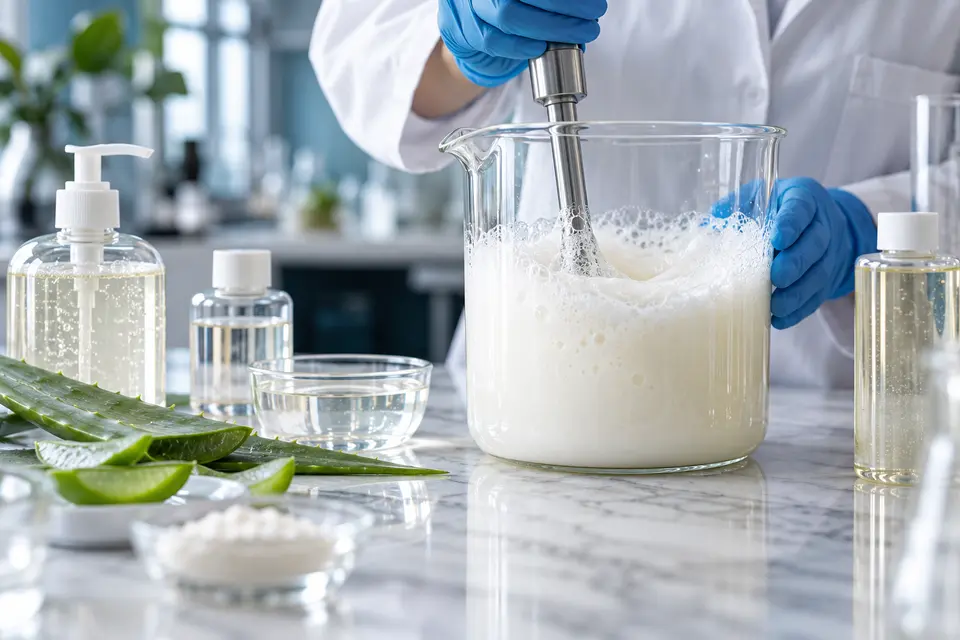
Betaine is used in selected cleaning systems to tune formula behavior.
In the cleaning market, “betaine” commonly refers to selected amphoteric or zwitterionic surfactants used in products such as shampoos and hand washes. Some modify foam, viscosity and sensory behavior within blends. The word alone does not specify purity, impurities or performance; use grade-specific documentation for the intended product.
Trial different levels while tracking salt, pH and accompanying anionic surfactant. Measure foam and viscosity after stabilization and storage, then assess dispensing. For skin-contact aqueous products, review microbiological preservation and ingredient quality. Higher concentrations without demonstrated benefit may raise cost and complicate formula stability.
To tune hand-wash texture, prepare formulas differing only in betaine level while other ingredients stay fixed. Measure viscosity and foam at a defined temperature and equilibration time, then recheck after storage. Review grade quality and impurities relevant to skin contact and preservation where needed. The highest inclusion rate need not be best: a lower amount may achieve the desired pump behavior and feel.
Check the overall surfactant system.
Compare viscosity and foam using controls.
Review grade specifications and impurities for the use case.
References for general scientific principles; they do not imply MS CHEM has performed tests or holds certifications.
 MS CHEM / 10
Surfactants assist wetting and soil removal, but selection depends on the whole system.
Read article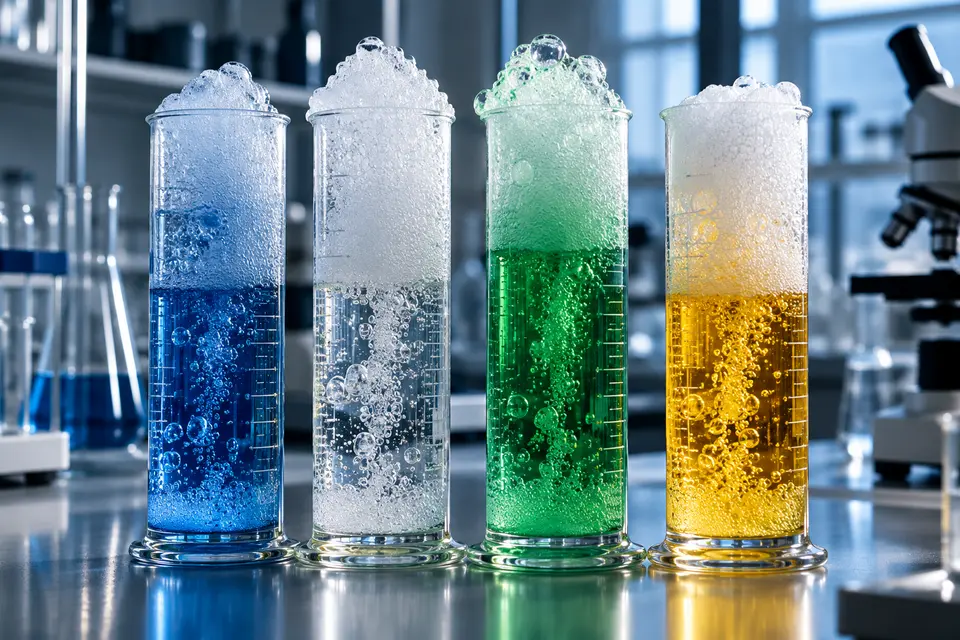 MS CHEM / 11
Anionic systems are common in cleaning, while compatibility still needs evaluation.
Read article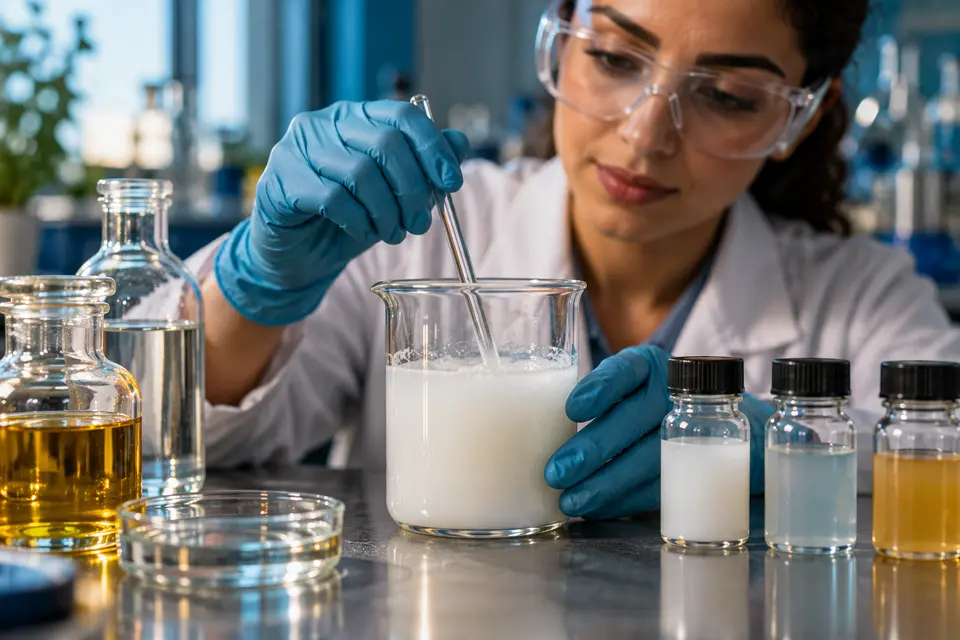 MS CHEM / 12
Nonionics offer options for wetting and removal of particular soils.
Read article